Buying guide
How to Choose the Right Seed Starter Tray for Your Garden
Seven checks that separate a tray you'll reuse for years from one that cracks in spring.
Affiliate note: links marked Shop Now go to Amazon. If you buy, we may earn a small commission at no extra cost to you. It never changes what we recommend. How we earn money.
Quick answer
Match the cell size to your crop and how long it stays indoors, insist on drainage holes in every cell, choose rigid reusable plastic if you sow every year, and make sure the insert fits a solid base tray and dome. Everything else — labels, heat mats, self-watering wicks — is a nice extra.
1. Start with what you'll grow
Your crop list decides almost everything. Group your seeds before you shop:
| Crop group | Typical indoor time | Cell size to look for |
|---|---|---|
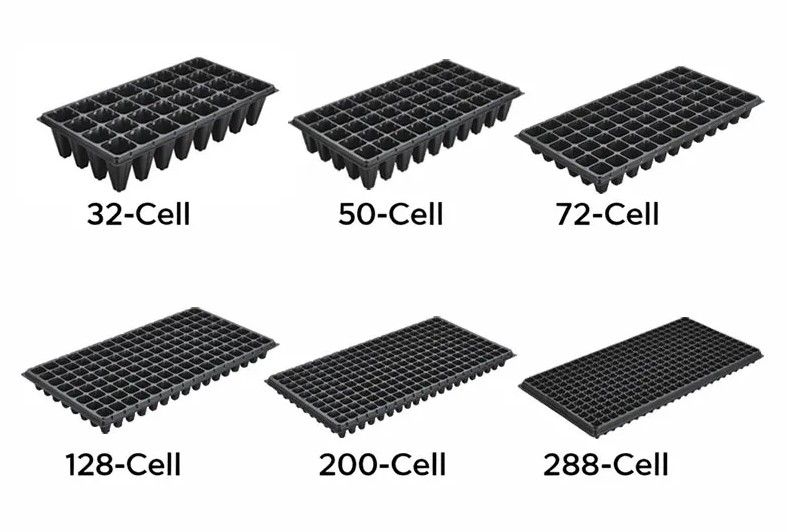
| Lettuce, herbs, onions, leeks, brassica seedlings | 3–6 weeks | Small: 128- or 72-cell |
| Most flowers, kale, chard, cabbage family | 4–6 weeks | Medium: 72- or 50-cell |
| Tomatoes, peppers, aubergines (eggplant) | 6–10 weeks | Large: 50- or 32-cell, or pot on later |
| Cucumbers, squash, melons, pumpkins | 3–4 weeks | Large single cells or biodegradable pots |
Times are typical ranges; your seed packet and local last-frost date set the real schedule.
2. Check cell size, depth and volume
Listings usually give cell count, sometimes cell width, and rarely depth. Depth matters because a deeper cell holds more mix, dries out more slowly and gives roots more room. If depth isn't listed, compare the insert's overall height against similar trays, or look for a photo beside a ruler.
3. Look for drainage — and a solid base tray
Every cell needs at least one drainage hole. The base tray underneath should be solid (no holes) if you plan to bottom water, which is the gentlest way to water seedlings. Some base trays are sold "with holes" for use on greenhouse benches; those won't hold water.
4. Decide on material
- Rigid polypropylene or thick PET: long life, easy to sterilise, higher upfront cost.
- Thin vacuum-formed plastic: cheap and light but tends to crack after a season or two.
- Fibre, coir or paper: planted with the seedling, single use, dries faster.
- Silicone or rubber cell trays: flexible so plugs pop out easily; check they stay stable when full.
See reusable vs biodegradable trays for the full comparison.
5. Judge durability honestly
Plastic thickness is the best clue. Manufacturers that sell heavy-duty trays usually state the thickness or call them "commercial" or "1020 extra strength". In reviews, look for repeated mentions of cracking, warping in the dishwasher or splitting at the corners — single complaints happen to every product, patterns matter.
6. Check accessories and compatibility
- Humidity dome: tall domes leave room for seedlings; adjustable vents make the transition easier.
- Fit: will the insert sit flat in your base tray, on your heat mat and under your grow light?
- Labels: cheap, but you'll want them as soon as you sow more than two varieties.
- Capillary mat or wicks: helpful for even watering if you're away during the day.
7. Compare price per cell, not price per pack
A pack of ten thin inserts can cost less than three heavy-duty ones but may need replacing every year. Divide the price by the number of cells and by the number of seasons you expect to get, and the "expensive" trays are often cheaper.
Seed tray buying checklist
- Cell size suits my main crops
- Drainage hole in every cell
- Solid base tray included or already owned
- Insert stays rigid when lifted full
- Dome tall enough, ideally vented
- Fits my shelf, mat and light
- Reasonable price per cell per season
Ready to compare? Our best seed starter trays list sorts the options by job, or browse current listings directly.
Shop Now on AmazonBuying guide FAQs
How do I choose a seed starter tray?
Match cell size to your crops and how long they stay indoors, check for drainage in every cell, choose rigid plastic if you'll reuse it, and confirm it fits a solid base tray and dome.
How many cells should a seed tray have?
72 cells is the best all-round choice. Use 128 for small fast crops and 32 to 50 for tomatoes and peppers.
Should the base tray have holes?
Not if you want to bottom water. A solid base tray holds water so cells can wick it up.
How long do plastic seed trays last?
Thin inserts may last one or two seasons. Heavy-duty trays are designed to last many years if stored out of sunlight.