Grow better, from the very beginning
Best Seed Starter Trays in 2026: Find the Right Tray for Your Garden
Practical guides, honest comparisons and simple tips to help every seed become a healthy seedling — whether you garden in Ohio or Oxfordshire.
- Cell sizes matched to crops
- Reusable & biodegradable options
- No fake "lab tests"
Start growing with confidence
Pick the question you have today. Each guide links to the next step.
Featured comparison
Best seed starter trays by use
Short version of our full best seed starter trays list. We compare tray types and features — check the listing for current price, size and reviews before you buy.
Affiliate note: links marked Shop Now go to Amazon. If you buy, we may earn a small commission at no extra cost to you. It never changes what we recommend. How we earn money.
| Pick | Best for | Look for | Shop |
|---|---|---|---|
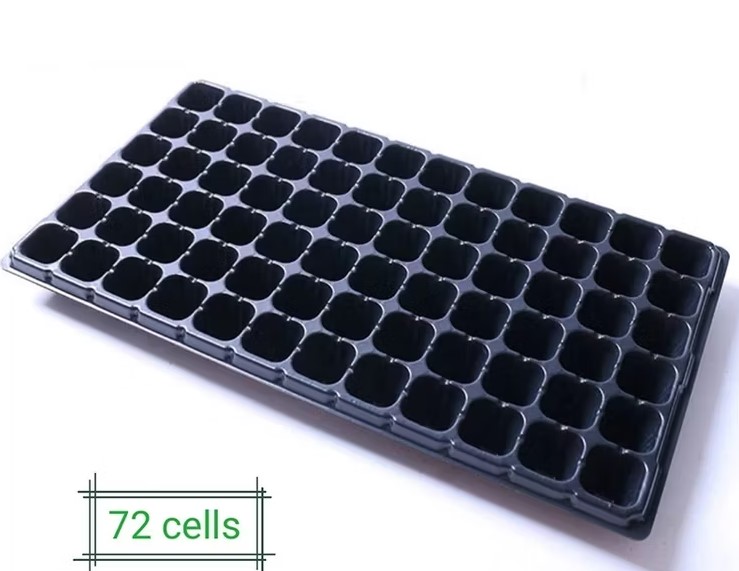
| Heavy-duty reusable 72-cell tray kit | Most home gardeners who sow every spring | thick, rigid plastic; a drainage hole in every cell; solid 1020 base tray; vented dome | Shop Now |
| All-in-one seed starting kit with dome | First-time seed starters | included base tray and dome, height of dome, number of cells, whether labels are included | Shop Now |
| Deep 32- or 50-cell seed tray | Tomatoes, peppers, aubergines | cell depth (deeper is better), cell width around 2–2½ in, rigid walls | Shop Now |
| Self-watering seed starter with capillary mat | Busy growers, holidays, even moisture | reservoir size, capillary mat or wick design, ability to drain excess | Shop Now |
| Biodegradable fibre or paper seed pots | Cucumbers, squash, melons, sweetcorn | material (coir, paper, wood fibre; peat-free if that matters to you), pot size, whether a holding tray is included | Shop Now |
Tray basics
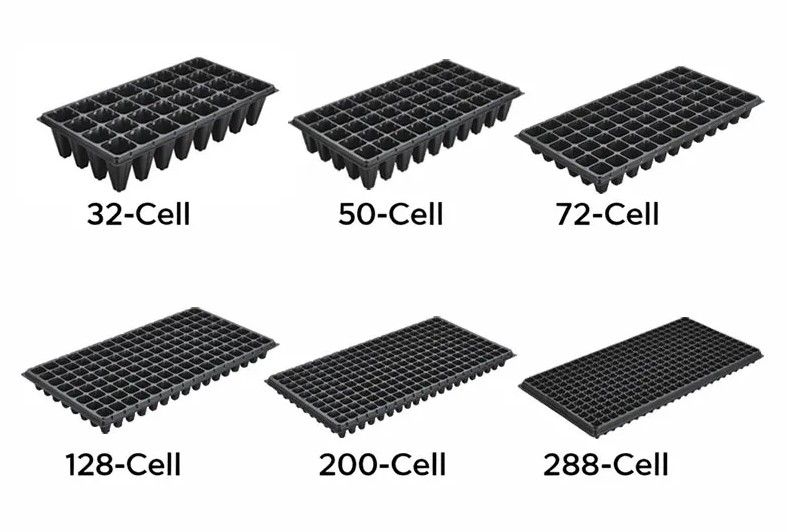
Cell size decides how long seedlings can stay put
Small 128-cell plug trays fit lots of lettuce, herbs and onions into one shelf. A 72-cell insert is the all-rounder most home gardeners reach for. Larger 50- or 32-cell trays give tomatoes, peppers and squash room to build roots before transplanting.
The rule of thumb: the longer a crop will spend indoors and the faster its roots grow, the bigger the cell it needs.
Tray types
Four kinds of seed starting trays
Plastic cell trays
Reusable, space-efficient and made in dozens of cell counts. Thicker plastic lasts many seasons; thin flimsy inserts often crack after one or two.
What to check →Biodegradable pots & trays
Fibre, coir and paper pots can go into the ground with the plant, reducing root disturbance. Some dry out fast, so they need closer watering.
Compare materials →Soil blocks
A blocker presses freestanding cubes of compost — no cells at all. Roots air-prune at the edges, but you need a suitable mix and careful watering.
How soil blocks compare →Deep trays & dome kits
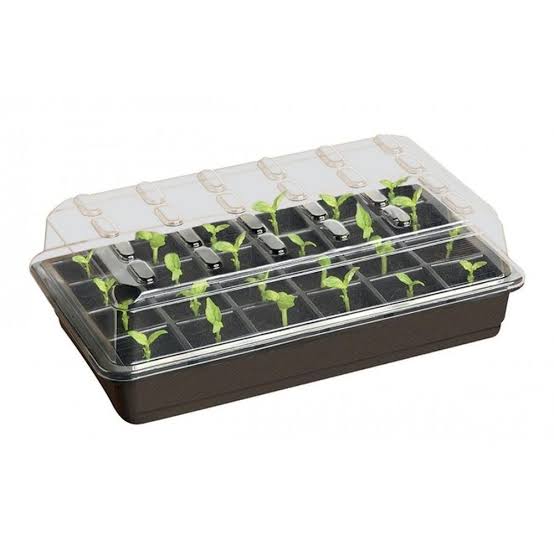
Deeper cells and clear humidity domes suit long-season crops and cool rooms, as long as you vent the dome once seeds sprout.
When to remove the dome →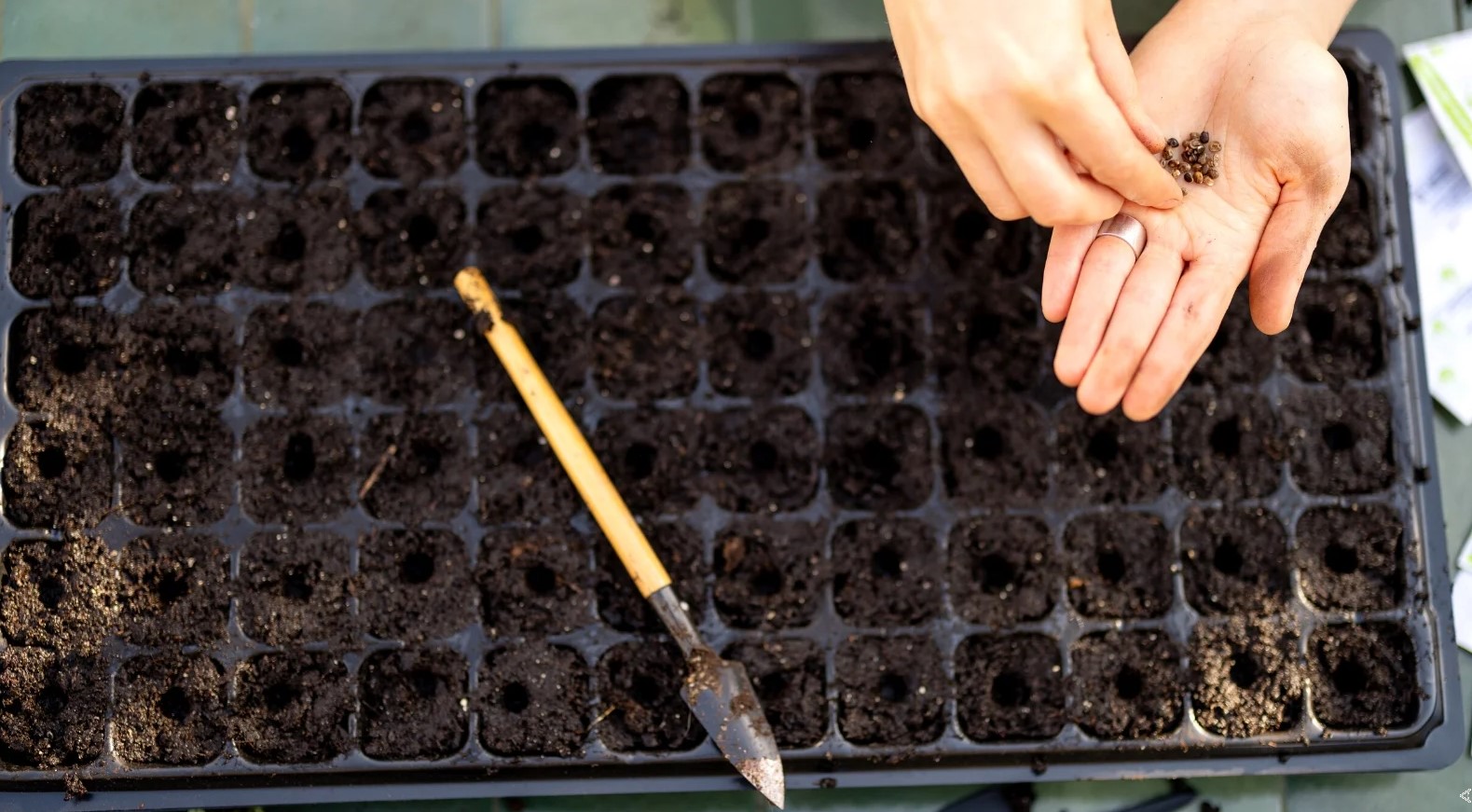
Beginner guide
Seed to transplant in ten steps
- Moisten seed-starting mix until it feels like a wrung-out sponge.
- Fill cells loosely and level — don't pack them down.
- Sow at the depth on the packet (roughly 2–3× the seed's width).
- Cover with a dome and keep warm until sprouts appear.
- Vent the dome, then give strong light right away.
Why trust this site
Research you can check, not hype
We compare seed trays on things that actually change results: cell volume and depth, drainage, plastic thickness, fit with standard 1020 base trays, and how easy they are to clean. Growing advice is checked against university extension guidance, and every guide lists its sources.
We say clearly when a recommendation is research-based rather than hands-on tested, and we never accept payment for placement.
- 1Sources from extension services and horticultural bodies
- 2Same comparison criteria for every tray type
- 3Clear affiliate disclosure on every buying page
- 4Guides reviewed and dated each season
Latest guides
 Buying guideBest Seed Starter Trays in 2026: Top Picks by UseOur picks for beginners, tomatoes, bottom watering and more.
Growing guideHow to Start Seeds in Seed Starter TraysTen steps from sowing to transplanting.
Tray specsSeed Tray Cell Sizes Explained128 vs 72 vs 32 cells — which size for which crop.
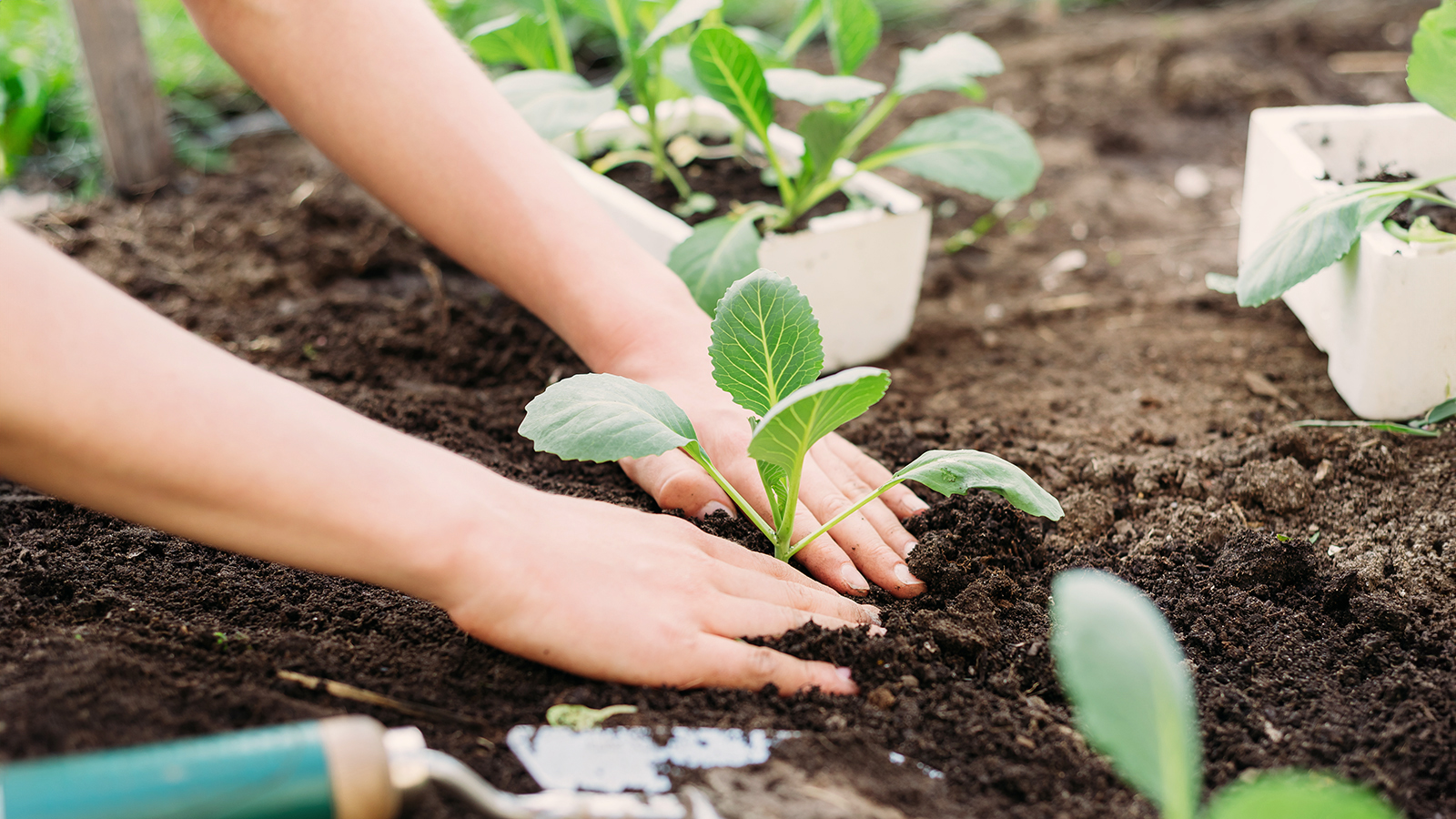 MaterialsReusable vs Biodegradable Seed TraysPlastic, fibre pots or soil blocks — which suits you?
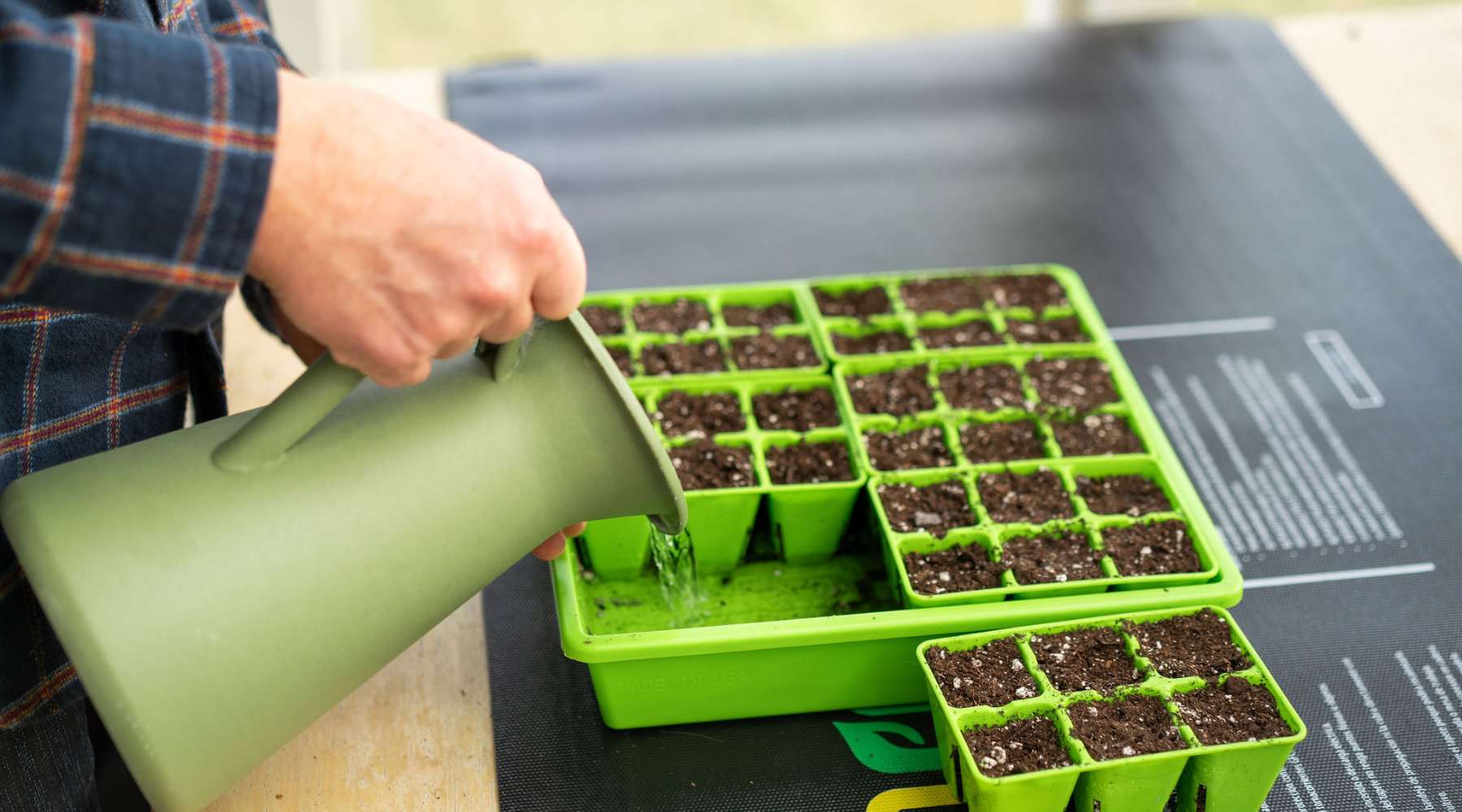 TroubleshootingSeed Starting Problems and How to Fix ThemMould, damping-off, leggy stems and no germination.
MaintenanceHow to Clean and Reuse Seed TraysScrub, disinfect, rinse, dry — done properly.
Free resource
Printable seed-starting checklist
Everything to gather and do before sowing day, on one page. No email required — open it and print.
Seed starter tray FAQs
What are the best seed starter trays?
For most gardeners, a rigid, reusable 72-cell insert in a solid base tray with a vented humidity dome. Choose bigger cells for tomatoes and peppers, smaller ones for lettuce and herbs, and biodegradable pots for cucumbers and squash.
What size seed starter tray should I buy?
If you buy one size, make it 72 cells in a standard 1020 (about 10 × 20 inch) tray. It suits most vegetables and flowers. Add 32- or 50-cell trays for crops that stay indoors longer.
Do seed trays need drainage holes?
Yes. Every cell needs a drainage hole so excess water can escape and so you can water from below. The base tray underneath should be solid.
Can you reuse seed starter trays?
Yes, if they are rigid enough to survive cleaning. Scrub, disinfect with a dilute bleach solution, rinse and dry before reusing.
Are biodegradable seed trays better?
Not always. They reduce root disturbance for crops like cucumbers and squash but dry out faster and are single use. Reusable plastic is better value if you start seeds every year.
Ready to choose? Compare current seed starter trays, kits and inserts.
Shop Now on Amazon