Best Seed Starter Trays: Buying Guide and Top Picks
There is no single best tray for everyone. This guide shows the five types worth considering and how to choose between them.
This page contains affiliate links. If you buy through them we may earn a commission at no extra cost to you.
Quick answer
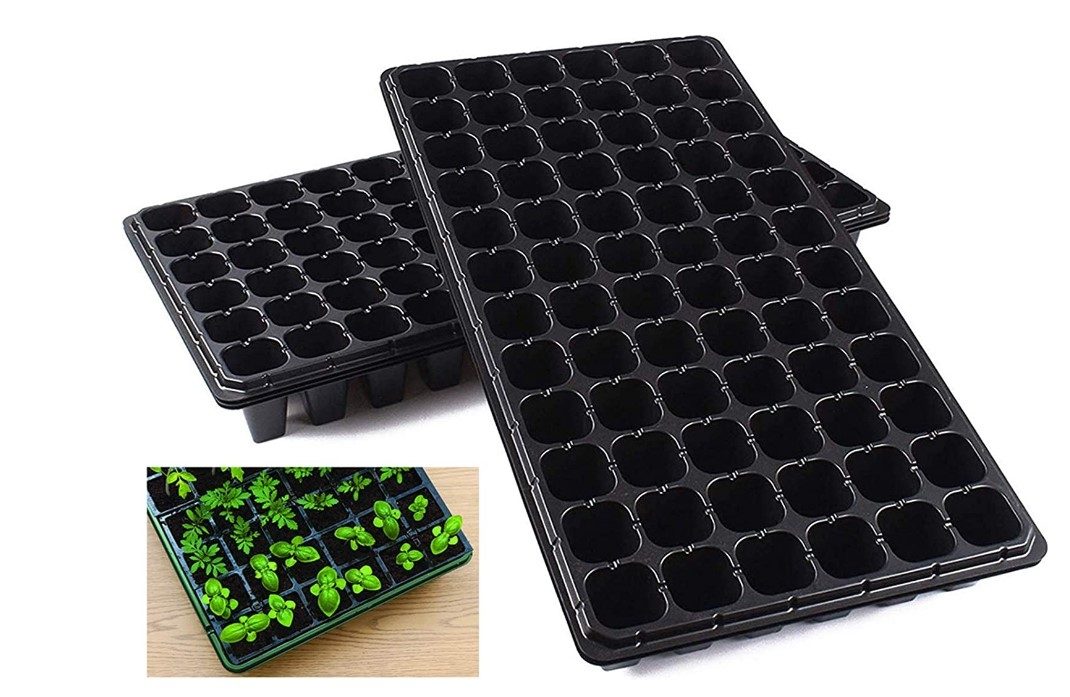
For most gardeners, a sturdy multi-cell tray with a vented dome and a solid base tray is the best place to start. If you grow tomatoes or peppers, choose larger cells. If you want to grow in bulk, buy standard flats and separate inserts. Use the picks below to see which type fits you.
Top 5 picks by type
We group picks by type instead of brand, because the right choice depends on your plants and your space. Click through to Amazon to compare current options, sizes, prices and customer reviews.
1. Tray set with dome and drainage
A standard multi-cell tray with a vented dome and a solid base. Works for most vegetables, herbs and flowers.
- Vented, clear dome
- Roughly medium cells
- Leak-proof base tray
Trade-off: The dome can be too short for fast growers like tomatoes.
See options on Amazon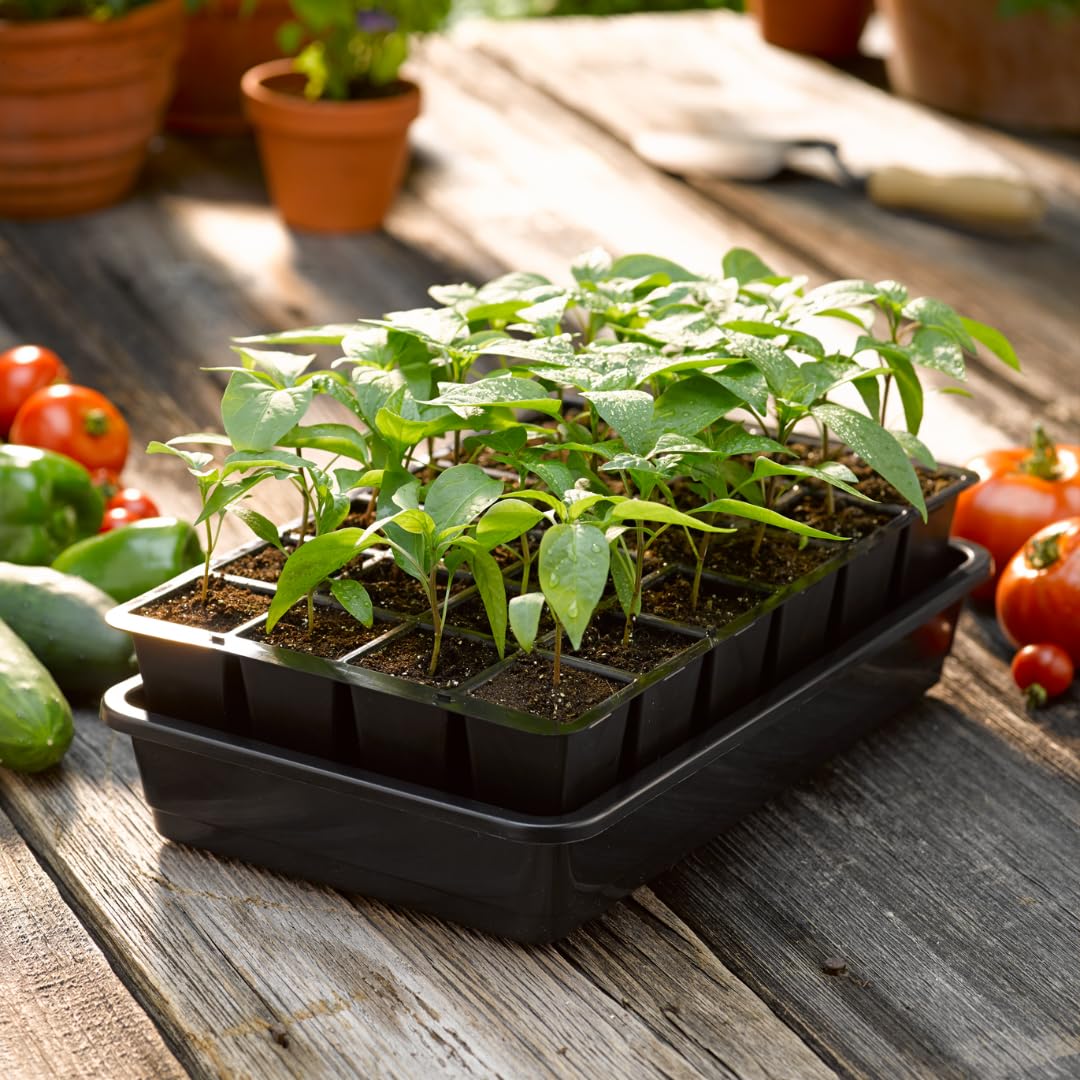
2. Starter kit with labels
An all-in-one kit with a modest number of cells, labels and a dome, so there is less to buy and less to plan.
- Includes labels
- Fewer cells, easier to manage
- Sturdy plastic
Trade-off: Check what is really in the box. Kit contents vary.
See options on Amazon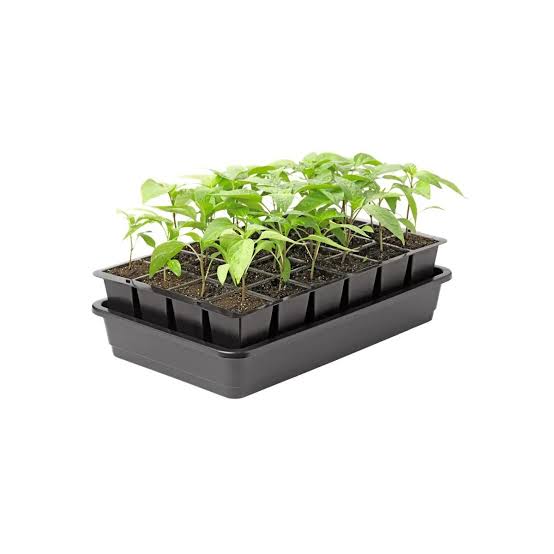
3. Fewer, larger cells
Trays with larger cells give tomatoes, peppers and squash more room for roots before transplanting.
- Deeper cells
- Good drainage holes
- Sturdy tray or flats
Trade-off: Takes more space and soil per plant.
See options on Amazon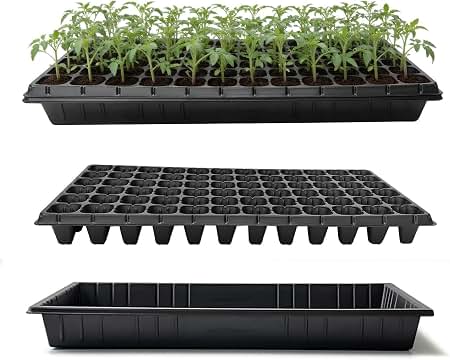
4. Bare flats with cell inserts
Standard-size flats and separate inserts give you flexibility to mix and match, and cost less per cell when you buy in volume.
- Reusable flats
- Separate inserts
- Easy to replace parts
Trade-off: No dome included. You will need lids or plastic covers.
See options on Amazon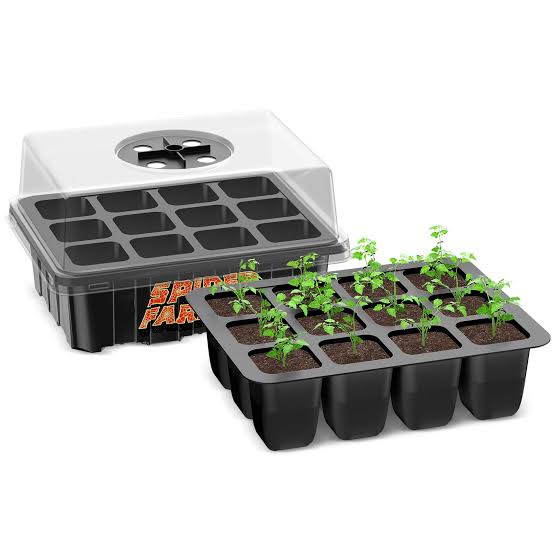
5. Thick, durable trays
Heavy-duty trays that last many seasons, or biodegradable cells you plant directly. Reusable plastic usually has the lowest long-term waste.
- Thick, rigid material
- Washable surface
- Plantable cells (optional)
Trade-off: Biodegradable pots can dry out quickly.
See options on AmazonComparison at a glance
| Type | Best for | Main trade-off |
|---|---|---|
| Tray set with dome | Most home gardeners | Dome may be short |
| Starter kit with labels | First-timers | Contents vary by listing |
| Larger cells | Tomatoes, peppers, squash | More space and soil per plant |
| Bare flats and inserts | Growing in bulk | No dome included |
| Thick reusable or plantable | Long-term use or low waste | Plantable pots can dry out |
What to check before you buy
- Cell size and count. Match them to what you grow and how long seedlings stay in the tray.
- Drainage. Holes in each cell and a solid tray underneath.
- Dome with vents. Helpful for germination, easy to remove later.
- Thickness. Rigid plastic holds its shape when full of wet soil. Thin trays bend.
- What is in the box. Labels, domes and extra inserts add value only if you need them.
- Recent reviews and customer photos. They show how the product performs in real use.
Remember: The tray is only part of the setup. Good seed starting mix and a proper light matter just as much. See our soil mix guide and our grow light guide.
Frequently asked questions
How many cells should a seed starter tray have?
It depends on how many plants you want and how long they will stay in the tray. More, smaller cells fit more seeds in less space. Fewer, larger cells are better for tomatoes, peppers and squash.
Do I need a humidity dome?
Not strictly, but it helps keep moisture steady while seeds sprout. Remove or vent it once most seeds have emerged.
Can I reuse seed starter trays?
Yes. Wash them with warm soapy water and let them dry between seasons. Some gardeners also rinse with a diluted bleach solution to reduce the chance of disease carrying over.
What is the best cell size?
Small cells suit lettuce, herbs and most flowers. Medium cells suit brassicas and cucumbers. Large cells suit tomatoes and peppers, which stay indoors longer.
Do I need drainage holes?
Yes. Cells without drainage hold too much water and encourage mold and rot.
Do I also need a grow light?
Most seedlings do better under a grow light than on a windowsill, especially in winter. See our grow light guide.
Ready to choose?
Compare seed starter trays, read recent reviews and pick the one that fits your garden.
Browse seed starter trays on Amazon